Monday, 22 May 2023

Real incident


In a small rural village, there lived a farmer named Mr. Patel, who had been cultivating his land for several decades. He was known for his hard work and dedication to agriculture. One year, he faced a significant challenge that tested his resilience and determination.

It was during the monsoon season when heavy rains caused severe flooding in the region. The torrential downpour lasted for several days, resulting in overflowing rivers and waterlogging in the fields. Mr. Patel's farm was not spared from the devastation. His crops, which he had painstakingly nurtured for months, were submerged under water.

Devastated but not defeated, Mr. Patel refused to give up. He immediately contacted his fellow farmers and the local agricultural authorities for assistance. Together, they worked tirelessly to drain the water from the fields and salvage whatever they could.

Once the water receded, Mr. Patel and his fellow farmers assessed the damage. Most of the crops were destroyed, leaving them in a precarious situation. Undeterred, they decided to replant the crops, knowing that time was of the essence if they were to salvage the growing season.

With the support of the community, Mr. Patel and his fellow farmers worked day and night, replanting the fields and tending to the newly sown crops. They borrowed equipment from neighboring farms and received help from volunteers who sympathized with their plight.

Despite the setback, Mr. Patel's resilience paid off. The replanted crops flourished, and in time, they yielded a bountiful harvest. The local community rejoiced at the success, which not only brought relief to the farmers but also provided a source of livelihood for many others who depended on agriculture.

This incident highlighted the indomitable spirit of farmers like Mr. Patel and the strength of community support in times of adversity. It served as a reminder of the challenges farmers face, not only from unpredictable weather but also the resilience and determination required to overcome such obstacles.

Mr. Patel's story became an inspiration for many aspiring farmers in the area, motivating them to pursue agriculture despite the inherent risks. It also emphasized the importance of cooperation and solidarity within farming communities, as they came together to support one another in times of need.

This incident showcases the perseverance and dedication of farmers who face numerous challenges in their pursuit of providing food and sustaining their communities. It serves as a testament to the vital role they play in our society and the resilience they exhibit in the face of adversity.

Labels: ,

Tuesday, 9 May 2023

Bee and flowers


The relationship between bees and flowers is one of the most remarkable examples of interdependence in nature. These two organisms, seemingly unrelated, have evolved together over millions of years, creating a beautiful and delicate dance that benefits both.

Bees are one of the most important pollinators in the world, responsible for the reproduction of a large percentage of the planet's flowering plants. They are attracted to flowers by their bright colors, sweet scents, and the nectar they produce. Nectar is a sugary liquid that flowers produce to entice bees and other pollinators to visit them. Bees feed on nectar for energy, but in the process, they also transfer pollen from the flower's male reproductive organs to the female reproductive organs, allowing the plant to reproduce.

This mutualistic relationship between bees and flowers is essential for the survival of both species. Bees rely on the nectar and pollen they collect from flowers for their survival, and flowers rely on bees for pollination. Without bees, many plant species would not be able to reproduce, and without flowers, bees would not have the food they need to survive.

The relationship between bees and flowers is not just beneficial; it is also incredibly beautiful. Watching a bee move from flower to flower, collecting nectar and pollen, is a sight to behold. The vibrant colors of the flowers, the buzzing of the bees, and the sweet scent of the nectar all come together to create a sensory experience that is truly remarkable.

The relationship between bees and flowers also has practical implications for humans. Many of the fruits and vegetables we eat are the result of bee pollination, including apples, strawberries, blueberries, and almonds, to name just a few. Bees are essential to our food supply, and their decline in recent years has raised concerns about food security.

Unfortunately, bees are facing many threats, including habitat loss, pesticides, and climate change. As a result, their populations have been declining in many parts of the world. This decline is not just a problem for bees; it is a problem for all of us who rely on them for our food supply.

To protect bees and their relationship with flowers, we need to take action. This includes creating more habitat for bees, reducing the use of pesticides, and addressing climate change. We can also support local beekeepers and buy organic produce, which is grown without the use of harmful pesticides.

In conclusion, the relationship between bees and flowers is one of the most beautiful and essential examples of interdependence in nature. It is a reminder of the delicate balance that exists in our ecosystem and the importance of protecting it. By taking action to support bees, we can help ensure the survival of this remarkable relationship for generations to come.


Calotropis procera


Calotropis procera, also known as apple of Sodom, is a species of flowering plant in the family Apocynaceae. It is native to tropical and subtropical regions of Africa and Asia, and has been introduced to other parts of the world as an ornamental plant. This plant is commonly known for its medicinal and industrial uses, as well as its invasive nature.

Calotropis procera is a small tree or shrub that can grow up to 6 meters in height. Its bark is light gray, and its leaves are large and oval-shaped, with a leathery texture. The flowers are large and fragrant, and can be white, pink or lavender in color. The fruit is a large, fleshy pod that contains numerous seeds with a tuft of silky hairs that facilitate their dispersal by the wind.

The plant is known for its medicinal properties and has been used in traditional medicine for centuries. It contains a range of chemical compounds, including alkaloids, flavonoids, and glycosides, which have been found to possess antidiarrheal, anti-inflammatory, and analgesic properties. It is also used for the treatment of skin disorders such as eczema, psoriasis, and scabies.

Calotropis procera is also used for industrial purposes. The plant's fiber is used to make paper, rope, and textiles. Its latex is used to produce rubber and its timber is used for construction and furniture-making. In addition, the plant is used in the production of biofuels and in bioremediation efforts to clean up polluted sites.

Despite its many uses, Calotropis procera is also known for its invasive nature. It has been introduced to other parts of the world as an ornamental plant and has become naturalized in many regions, including parts of Australia, the Americas, and Europe. Its ability to thrive in a range of environments, coupled with its rapid growth and ability to produce large numbers of seeds, has led to it becoming an invasive species in some areas. It can outcompete native vegetation and reduce biodiversity, and it is difficult to control due to its extensive root system and ability to resprout from cut stems.

In conclusion, Calotropis procera is a versatile plant with many uses, including medicinal and industrial applications. However, its invasive nature and potential to become a weed make it important to approach the plant with caution. Whether used for its medicinal or industrial properties, or grown as an ornamental plant, it is important to be aware of the plant's properties and to take appropriate measures to prevent its spread.

Labels: , , , , ,

Ipomoea carnea


Ipomoea carnea, also known as the "pink morning glory" or "bush morning glory," is a species of flowering plant in the family Convolvulaceae. This plant is native to tropical and subtropical regions of the Americas, and has been introduced to other parts of the world as an ornamental plant. While it is often grown for its beautiful flowers, Ipomoea carnea is also considered a weed in some areas due to its ability to grow rapidly and form dense thickets. 

Ipomoea carnea is a woody shrub or small tree that can grow up to 8 meters in height. It has a rounded crown and a thick trunk, which is covered in a grayish-brown bark. The leaves are large, heart-shaped, and arranged alternately along the stem. They are dark green in color and can grow up to 15 centimeters long and 10 centimeters wide. The flowers are funnel-shaped and pink or purplish-pink in color. They are borne in clusters and bloom from late spring to early fall.

While Ipomoea carnea is often grown as an ornamental plant, it is important to note that the plant contains toxic compounds that can be harmful to humans and animals if ingested. The plant's toxicity is due to the presence of a number of alkaloids, including swainsonine and calystegines. These compounds can cause a range of symptoms, including vomiting, diarrhea, and in severe cases, respiratory failure and death.

Despite its toxic properties, Ipomoea carnea has been used in traditional medicine for a variety of purposes. In some cultures, the plant has been used to treat conditions such as fever, cough, and inflammation. However, it is important to note that the plant's toxic compounds can have serious side effects, and its use should be approached with caution.

In addition to its medicinal uses, Ipomoea carnea has also been used for a variety of other purposes. In some areas, the plant is used as a source of fuel, and its wood is prized for its durability and strength. The plant is also an important food source for a number of animals, including deer, rabbits, and birds.

Despite its many uses, Ipomoea carnea can also be a problematic weed in some areas. The plant's ability to grow rapidly and form dense thickets can be detrimental to native plant communities and can cause ecological imbalances. In some areas, efforts have been made to control the spread of the plant, including the use of herbicides and manual removal methods.

In conclusion, Ipomoea carnea is a beautiful and versatile plant that has many uses. However, its toxic properties and potential to become a weed make it important to approach the plant with caution. Whether grown as an ornamental plant, used for traditional medicine, or used for fuel or food, it is important to be aware of the plant's properties and to take appropriate precautions when handling or using it.

Labels: , , , ,

Monday, 8 May 2023

Real story of Plant and Human


One real-life incident that comes to mind is the case of Dorothy Fletcher, an elderly woman who was reported missing in the United States in 2018. She had wandered away from her home, and despite extensive searches, she could not be found.

Several days later, a police officer and his K9 partner were on a routine patrol when the dog suddenly became distracted by a patch of dense vegetation. The officer investigated and found that the dog had led him to Dorothy, who was lying on the ground and barely conscious. She had fallen and was unable to move, and without the intervention of the officer and his dog, she may not have been found in time.

What made this story particularly remarkable was that Dorothy had been lying in the same spot for several days, exposed to the elements. However, she had landed on a patch of dense wildflowers, which had shielded her from the worst of the sun and rain, and may have even helped to regulate her body temperature.

While it's impossible to say for certain, it's clear that the presence of these wildflowers played a role in Dorothy's survival, and is a testament to the many ways in which plants can help us, even in the most unexpected of situations.

Labels: , , , , , , , , ,

Flower pot


Flower pots are a fantastic way to add some natural beauty and color to any indoor or outdoor space. These decorative containers come in a variety of sizes, styles, and materials and can be used to showcase a wide range of plants, from colorful annuals to lush tropicals.

When it comes to selecting a flower pot, there are a few factors to consider. First and foremost, the size of the pot should be appropriate for the plant that will be housed in it. A pot that is too small will restrict root growth and can lead to a plant that is stunted or unhealthy. On the other hand, a pot that is too large can cause the soil to stay too wet and increase the risk of root rot.

The material of the flower pot is also important. Clay pots are a classic choice that provides good drainage and breathability for plants, but they can be heavy and breakable. Plastic pots are lightweight and affordable, but they don't allow for as much air flow as clay pots. Metal pots, such as those made from copper or zinc, can be visually striking but can get hot in direct sunlight, which can damage plant roots.

In addition to the practical considerations of choosing a flower pot, there are also aesthetic considerations. The color, shape, and design of the pot can have a big impact on the overall look of the plant and its surroundings. Some people prefer simple, understated pots that allow the plant to take center stage, while others prefer decorative pots that complement or contrast with the plant.

When it comes to caring for plants in flower pots, proper watering and soil maintenance are crucial. Overwatering is a common problem that can lead to root rot and other issues, so it's important to check the soil moisture regularly and water only when needed. Soil should also be changed out periodically to ensure that it remains nutritious and well-draining.

In conclusion, flower pots are a versatile and attractive way to showcase plants indoors or outdoors. By considering factors such as size, material, and aesthetic appeal, you can choose a pot that will complement your plant and your personal style. With proper care and maintenance, your plants and flower pots can thrive for years to come.

Labels: , , , , , , , ,

Sunday, 7 May 2023

Banana - The Fruit that Keeps on Giving


Bananas are one of the most popular fruits in the world. They are loved for their sweet, creamy taste and are consumed in a variety of ways, from eating them raw to using them in smoothies and desserts. But bananas are more than just a tasty fruit - they are also incredibly nutritious and have a range of health benefits. In this article, we will explore the many aspects of bananas and why they are a fruit that keeps on giving.

History and Origins

Bananas are believed to have originated in Southeast Asia and have been cultivated for thousands of years. They were introduced to the Western world by Arab traders in the 15th century and became popular in Europe in the 19th century. Today, bananas are grown in many tropical and subtropical regions around the world, with India, Brazil, and China being the largest producers.

Nutritional Benefits

Bananas are packed with vitamins and minerals that are essential for good health. They are a rich source of vitamin C, vitamin B6, and potassium, which are all important for maintaining healthy blood pressure and supporting the immune system. Bananas are also a good source of fiber, which can help with digestion and aid in weight management.

Health Benefits

In addition to their nutritional benefits, bananas have a range of health benefits. They are known to help reduce the risk of heart disease and stroke due to their high potassium content. Bananas are also a good source of antioxidants, which can help protect against chronic diseases such as cancer and Alzheimer's. Additionally, the high fiber content in bananas has been shown to reduce the risk of type 2 diabetes.

Uses

Bananas are one of the most versatile fruits around. They can be eaten raw, cooked, or used in a variety of recipes. They are a popular ingredient in smoothies and desserts, and are often used in baking. Bananas can also be dried and used as a healthy snack.

Sustainability

Bananas are a sustainable crop that has a low environmental impact. They are typically grown in tropical regions that receive plenty of rainfall and do not require large amounts of water or fertilizer. Additionally, bananas are a low-emission crop and do not contribute significantly to greenhouse gas emissions.

Conclusion

Bananas are a truly remarkable fruit that has a range of nutritional and health benefits. They are a sustainable crop that is grown around the world and are enjoyed by people of all ages. Whether eaten raw or used in a variety of recipes, bananas are a versatile and delicious fruit that keeps on giving.

Labels: , , ,

Pink Rain Lily - The Charming Beauty of the Monsoon Season


Pink rain lily, also known as Zephyranthes grandiflora, is a charming perennial flower that blooms during the monsoon season. It is native to the tropical regions of South America but is now grown in many parts of the world for its beautiful pink flowers and ease of cultivation.

Appearance and Characteristics

The pink rain lily is a small plant that typically grows to be around 8 inches tall. It has slender, grass-like leaves that are light green in color and can grow up to 12 inches long. The plant produces beautiful trumpet-shaped flowers that are around 3 inches in diameter and come in shades of pink. The flowers have six petals and a bright yellow center, which adds to their charm.

Cultivation and Care

Pink rain lily is an easy-to-grow plant that requires minimal care. It prefers well-drained soil and partial shade but can also tolerate full sun. The plant should be watered regularl during the growing season but allowed to dry out slightly between watering. It is best to fertilize the plant once a month during the growing season to encourage healthy growth and blooming.

The pink rain lily can be propagated by seed or division. The plant can also be grown in pots or containers, making it an excellent choice for indoor or outdoor gardening.

Symbolism and Uses

The pink rain lily is often associated with rebirth, renewal, and new beginnings. It is also known as a symbol of hope and optimism, making it a popular gift for those going through difficult times. In some cultures, the flower is believed to have healing properties and is used in traditional medicine to treat various ailments.

Beyond its symbolic meanings, the pink rain lily is also used for its aesthetic value. It is a popular choice for landscaping and gardening, adding a touch of elegance and beauty to any garden or landscape. The plant is also used for floral arrangements and as a cut flower due to its long-lasting blooms.

Conclusion

The pink rain lily is a charming and beautiful flower that adds color and elegance to any garden or landscape. Its ease of cultivation and minimal care requirements make it a great choice for both novice and experienced gardeners. Beyond its aesthetic value, the plant is also steeped in symbolism and has been used for medicinal purposes for centuries. If you are looking for a low-maintenance plant with stunning blooms, the pink rain lily is an excellent choice.

Labels: ,

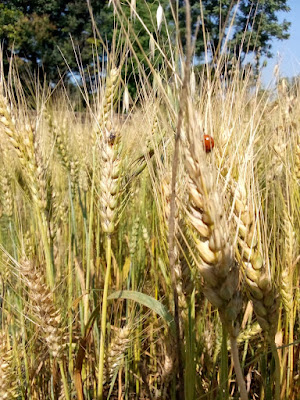
Wheat - A Staple Food for the World


Wheat is one of the most important crops in the world, serving as a staple food for many countries. It is a cereal grain that belongs to the Triticum family and is one of the oldest cultivated grains. The origins of wheat can be traced back to the Middle East, where it was first domesticated around 10,000 years ago. Since then, it has become a vital crop for millions of people around the world.

Nutritional Value

Wheat is an excellent source of energy, providing carbohydrates, fiber, and protein. It is also rich in essential minerals and vitamins such as iron, zinc, magnesium, and B vitamins. These nutrients are important for maintaining good health, supporting the immune system, and promoting healthy growth and development. Whole wheat is particularly nutritious because it contains all three parts of the grain, including the bran, germ, and endosperm.

Types of Wheat

There are several types of wheat, including soft wheat, hard wheat, durum wheat, and spelt. Soft wheat has a lower protein content and is used primarily for baking pastries, cakes, and biscuits. Hard wheat, on the other hand, has a higher protein content and is used for making bread, pasta, and other baked goods that require a strong structure. Durum wheat is used primarily for making pasta, while spelt is a less common variety that has recently gained popularity as a healthy alternative to wheat.

Cultivation and Harvesting

Wheat is a hardy crop that can grow in a variety of climates and soil types. It is typically planted in the fall or spring and harvested in the summer or fall. The crop requires plenty of sunlight and water to grow properly, and farmers often use irrigation systems to ensure that the plants receive adequate moisture.

Uses of Wheat

Wheat is used in a variety of food products, including bread, pasta, breakfast cereals, and baked goods. It is also used in the production of beer and other alcoholic beverages. In addition, wheat can be used as animal feed and is an important ingredient in many pet foods.

Beyond food, wheat straw is used for animal bedding, paper products, and as a fuel source. Wheat gluten, a protein extracted from wheat, is used as a binder in a wide range of products such as cosmetics, pharmaceuticals, and even wallpaper paste.

Challenges and Opportunities

Like all crops, wheat faces a variety of challenges, including pests, diseases, and adverse weather conditions. Additionally, the increasing demand for food and changes in climate patterns make it crucial to improve the yield and quality of wheat production. Fortunately, advances in technology and plant breeding have led to the development of new varieties of wheat that are more resilient to these challenges and can help farmers increase their yields.

In conclusion, wheat is a vital crop that has played a significant role in human history and continues to be an important part of the global food supply. Its nutritional value, versatility, and resilience make it a valuable crop that supports the health and well-being of millions of people around the world. As we face new challenges in agriculture, it is important to continue to support research and development that can help us improve the production and use of this important crop.

Labels: , , , , ,

Saturday, 6 May 2023

Gardening and farming


Title: The Art of Farming and Gardening: Cultivating a Sustainable Future

Farming and gardening have been around since the dawn of civilization. In ancient times, humans relied on agriculture to provide sustenance and survival. Today, farming and gardening continue to play a vital role in our lives, but their significance extends far beyond just providing food.

Farming and gardening are both art forms that require patience, dedication, and a deep understanding of nature. When done sustainably, they have the potential to create a healthier and more vibrant world for both humans and the environment.

One of the most significant benefits of farming and gardening is their ability to promote sustainable living. Sustainable farming and gardening practices prioritize the health and well-being of the land, water, and air, as well as the local communities that rely on them. By using methods such as crop rotation, composting, and natural pest control, farmers and gardeners can reduce the environmental impact of their activities and conserve natural resources.

Another benefit of farming and gardening is the opportunity to connect with nature. For many people, working in a garden or on a farm can be a therapeutic and grounding experience. The act of planting, nurturing, and harvesting plants can provide a sense of accomplishment and purpose that is difficult to find in other aspects of life. Moreover, gardening and farming can offer a sense of community and belonging. Working together with others to create a beautiful and productive garden or farm can be an enriching and rewarding experience.

In addition to these benefits, farming and gardening can also have a positive impact on local economies. Sustainable farming and gardening practices often prioritize the use of locally grown produce, which can support small businesses and reduce carbon emissions associated with transportation. Furthermore, many farmers and gardeners sell their produce at farmers' markets or through community-supported agriculture programs, which can help create local jobs and stimulate economic growth.

However, farming and gardening are not without their challenges. Climate change, soil degradation, and water scarcity are just a few of the issues that farmers and gardeners must navigate to ensure a sustainable future. Additionally, farming and gardening require a significant investment of time, money, and energy, which can be a barrier for some individuals and communities.

Despite these challenges, the importance of farming and gardening cannot be overstated. With sustainable practices and a commitment to preserving our natural resources, farming and gardening can play a vital role in creating a healthier and more vibrant world for future generations.

In conclusion, farming and gardening are both art forms that have the potential to create a more sustainable and equitable future. By prioritizing sustainable practices, connecting with nature, and supporting local economies, farmers and gardeners can help create a world that is healthier and more vibrant for all.

Labels: , , ,

Thursday, 4 May 2023

Flowers: A Dazzling Display of Nature's Beauty


Flowers: A Dazzling Display of Nature's Beauty

Flowers are a marvel of nature. They come in all shapes, sizes, and colors, and are found in almost every part of the world. From the tiniest wildflower to the largest tropical bloom, each one is a work of art that has captivated humans for centuries.

One of the most remarkable things about flowers is their ability to communicate. They use color, scent, and shape to attract pollinators such as bees, butterflies, and birds. This process of pollination is essential for the reproduction of many plant species and helps to maintain the diversity of our ecosystems.

But flowers are not just functional; they are also incredibly beautiful. They have inspired poets, artists, and designers for centuries, and have been used to decorate everything from homes to haute couture.

The rose, for example, has been a symbol of love and beauty for centuries. It has been used in art, literature, and music to represent everything from passion to devotion. The lotus flower, on the other hand, is a sacred symbol in many Eastern religions and represents purity and enlightenment.

But flowers are not just for looking at or smelling. They also have many practical uses. For example, many flowers have medicinal properties and are used in traditional medicine to treat a range of ailments. The chamomile flower, for example, is known for its calming properties and is often used to make tea.

Flowers also play an important role in our food systems. Many edible flowers are used to add color and flavor to dishes, and some are even used in traditional medicines. The saffron crocus, for example, produces the world's most expensive spice, which is used in many cuisines around the world.

In conclusion, flowers are a fascinating and beautiful aspect of nature that have captivated humans for centuries. Whether they are used for decoration, symbolism, or practical purposes, they remind us of the incredible diversity and complexity of the natural world. So, next time you see a flower, take a moment to appreciate its beauty and all that it represents.


फूल: प्रकृति की सुंदरता का एक चमकदार प्रदर्शन

फूल प्रकृति का चमत्कार हैं। वे सभी आकार, आकार और रंगों में आते हैं, और दुनिया के लगभग हर हिस्से में पाए जाते हैं। सबसे नन्हे जंगली फूलों से लेकर सबसे बड़े उष्णकटिबंधीय खिलने तक, हर एक कला का एक काम है जिसने सदियों से मनुष्यों को मोहित किया है।

फूलों के बारे में सबसे उल्लेखनीय चीजों में से एक उनकी संवाद करने की क्षमता है। वे मधुमक्खियों, तितलियों और पक्षियों जैसे परागणकों को आकर्षित करने के लिए रंग, गंध और आकार का उपयोग करते हैं। परागण की यह प्रक्रिया कई पौधों की प्रजातियों के प्रजनन के लिए आवश्यक है और हमारे पारिस्थितिक तंत्र की विविधता को बनाए रखने में मदद करती है।

लेकिन फूल केवल क्रियात्मक नहीं होते; वे अविश्वसनीय रूप से सुंदर भी हैं। उन्होंने सदियों से कवियों, कलाकारों और डिजाइनरों को प्रेरित किया है, और घरों से लेकर हाउते कॉउचर तक सब कुछ सजाने के लिए इस्तेमाल किया गया है।

गुलाब, उदाहरण के लिए, सदियों से प्रेम और सुंदरता का प्रतीक रहा है। इसका उपयोग कला, साहित्य और संगीत में जुनून से लेकर भक्ति तक हर चीज का प्रतिनिधित्व करने के लिए किया गया है। दूसरी ओर, कमल का फूल कई पूर्वी धर्मों में एक पवित्र प्रतीक है और शुद्धता और ज्ञान का प्रतिनिधित्व करता है।

लेकिन फूल सिर्फ देखने या सूंघने के लिए नहीं होते। उनके कई व्यावहारिक उपयोग भी हैं। उदाहरण के लिए, कई फूलों में औषधीय गुण होते हैं और पारंपरिक चिकित्सा में कई बीमारियों के इलाज के लिए उपयोग किया जाता है। कैमोमाइल फूल, उदाहरण के लिए, अपने शांत गुणों के लिए जाना जाता है और अक्सर चाय बनाने के लिए प्रयोग किया जाता है।

फूल हमारे भोजन तंत्र में भी महत्वपूर्ण भूमिका निभाते हैं। कई खाद्य फूलों का उपयोग व्यंजन में रंग और स्वाद जोड़ने के लिए किया जाता है, और कुछ का उपयोग पारंपरिक दवाओं में भी किया जाता है। उदाहरण के लिए, केसर क्रोकस दुनिया का सबसे महंगा मसाला पैदा करता है, जिसका इस्तेमाल दुनिया भर के कई व्यंजनों में किया जाता है।

अंत में, फूल प्रकृति का एक आकर्षक और सुंदर पहलू है जिसने सदियों से मनुष्यों को आकर्षित किया है। चाहे वे सजावट, प्रतीकात्मकता या व्यावहारिक उद्देश्यों के लिए उपयोग किए जाते हैं, वे हमें प्राकृतिक दुनिया की अविश्वसनीय विविधता और जटिलता की याद दिलाते हैं। तो, अगली बार जब आप किसी फूल को देखें, तो उसकी सुंदरता और वह सब जो वह दर्शाता है, उसकी सराहना करने के लिए कुछ समय निकालें।

Labels: ,